May 5, 2025
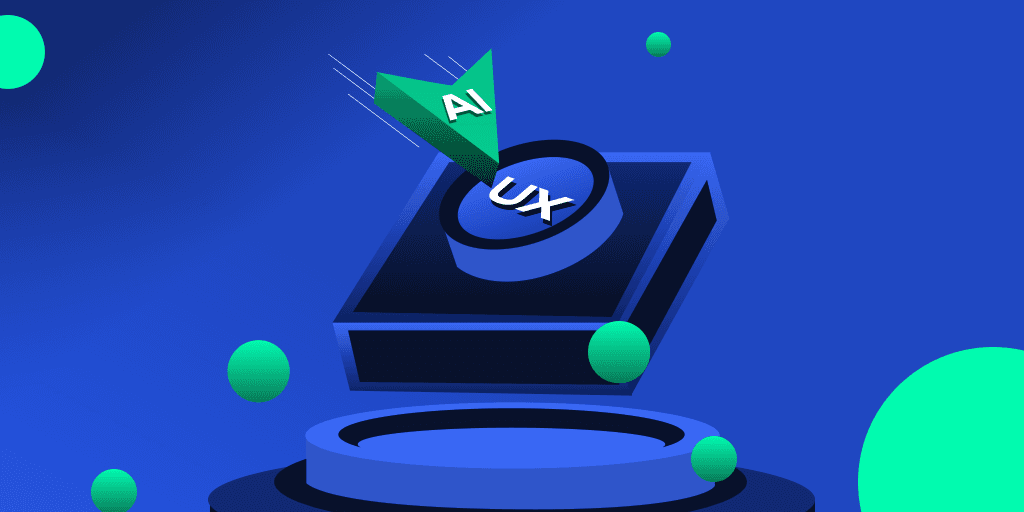
UX Research with Generative AI
This paper investigates how designers can leverage AI during early-stage research to ideate, organize, and validate user experience decisions faster—without losing human insight.
UX
Ai in UI/UX
ai
Intro
Generative AI emerges as a co-creative partner, reshaping the future of digital design.
Generative AI is transforming how design teams create—boosting ideation, speeding up workflows, and enabling real-time collaboration. As demand grows for smarter, user-centric experiences, our study explores how designers are integrating GenAI across the UX process.
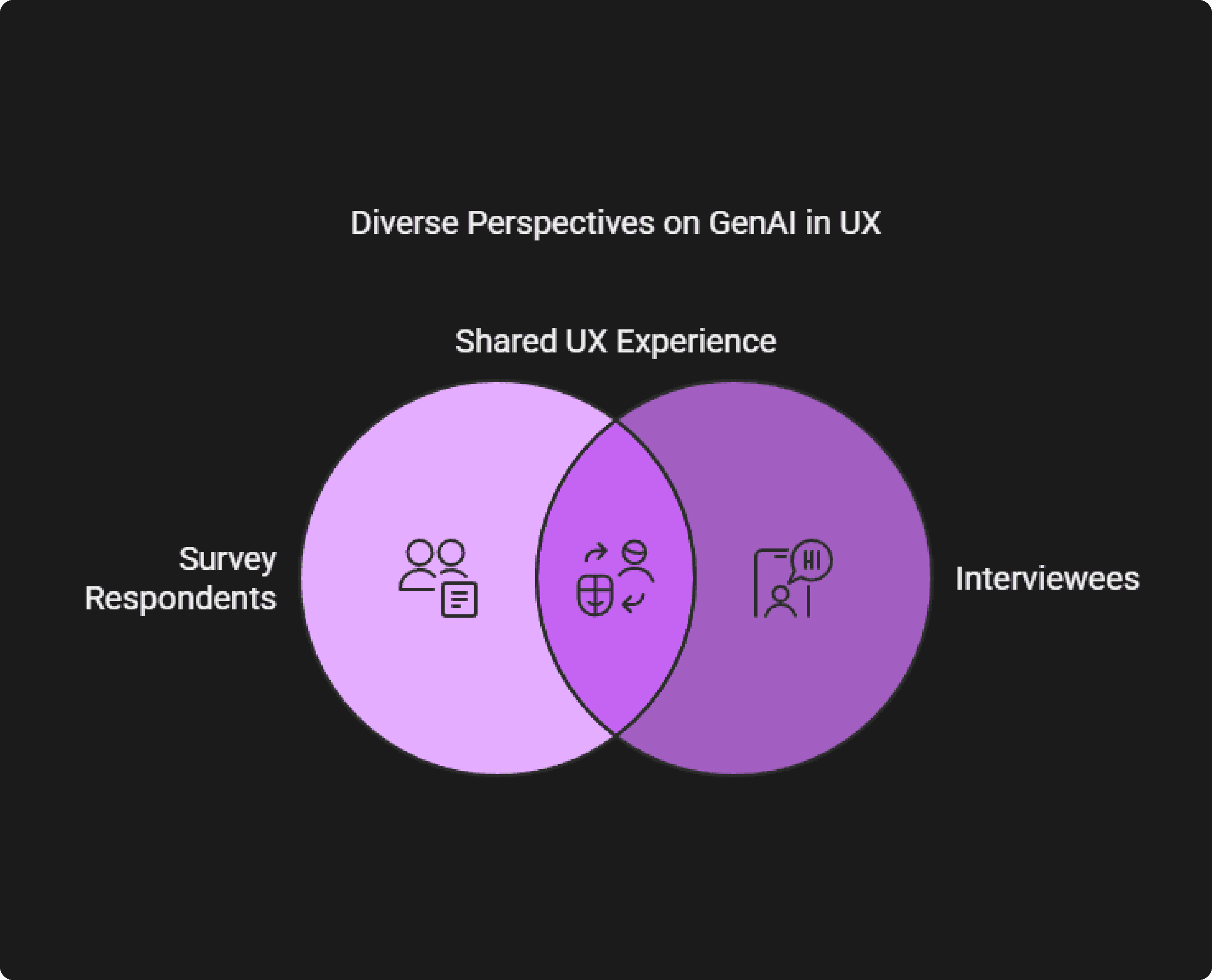
Through surveys and interviews, we found that AI shifts designers from creators to curators. Tools like ChatGPT, Midjourney, and Figma AI help overcome creative blocks but also bring challenges like prompt fatigue, design fixation, and reduced creative agency.
Our research highlights both the power and pitfalls of GenAI in UX. We offer design recommendations to build future tools that support human intent, foster transparent collaboration, and amplify creativity.
In the right hands, GenAI isn’t just a tool—it’s a creative partner.

Research Question
How is Generative AI currently used in UX design workflows, what challenges arise, and how can tools be improved for collaborative co-creation?
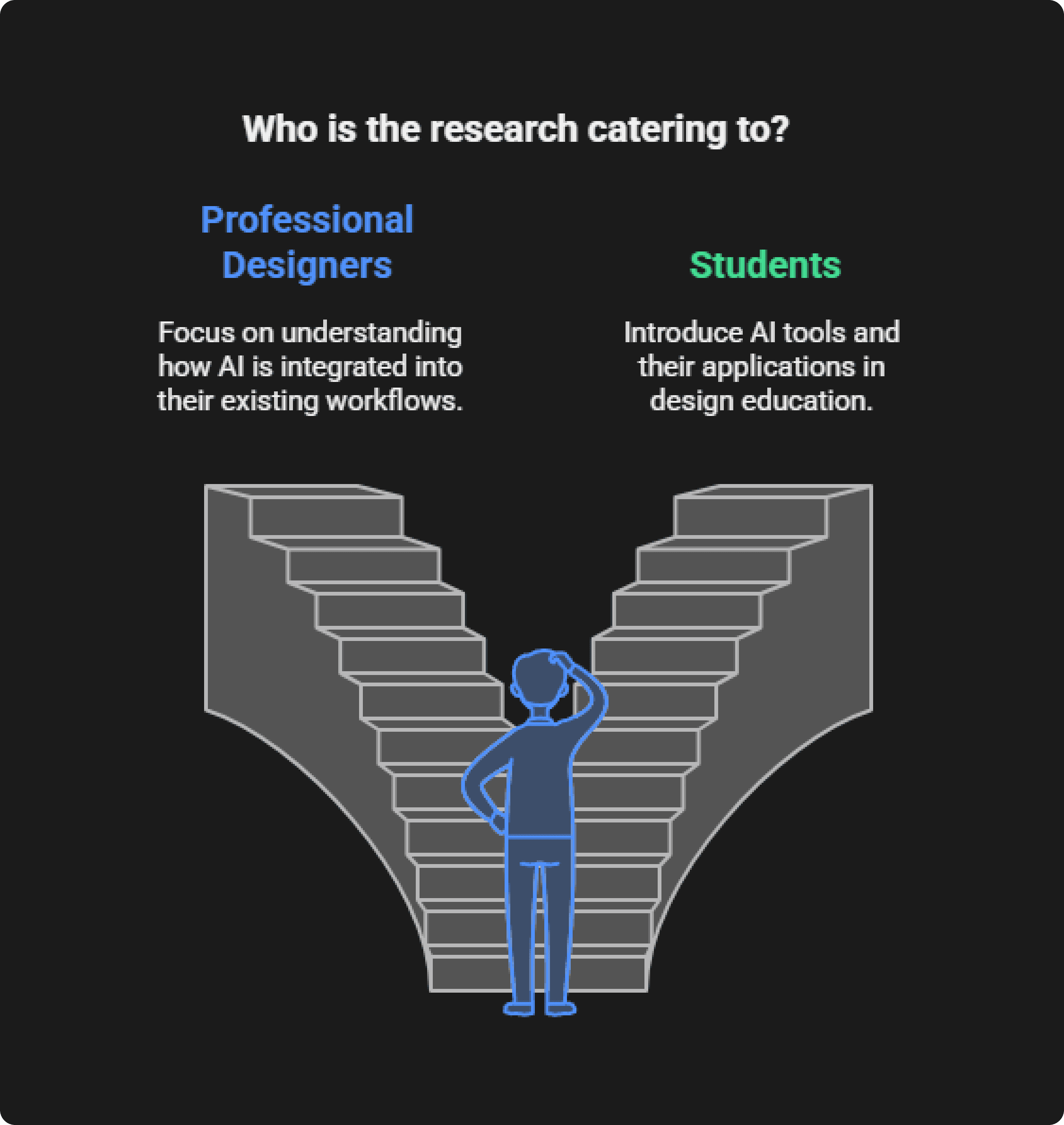
To explore these questions, our research investigates how generative AI tools are currently being used by designers across different stages of the UX process—from research and ideation to prototyping and evaluation. By conducting surveys and in-depth interviews with both students and professionals, we aim to uncover usage patterns, identify key challenges, and develop design recommendations that support more effective and collaborative human-AI workflows.
Exclusivity
Designers don’t just need smarter AI—they need AI that truly collaborates
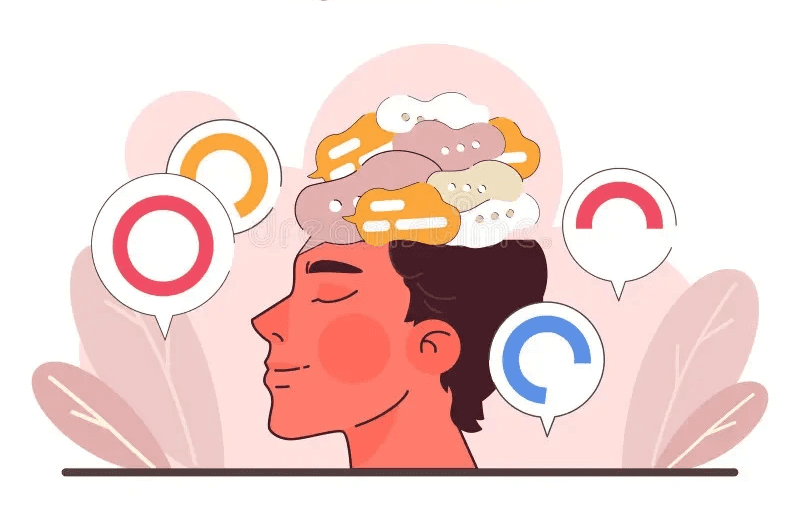
Our research revealed that while GenAI tools like ChatGPT and Midjourney enhance speed and creativity in UX workflows, they also introduce new challenges such as creative stagnation, prompt fatigue, and ethical concerns. Designers often struggle with tool limitations that fail to adapt to nuanced design needs.
Based on our thematic analysis, we proposed a set of actionable design recommendations—such as stage-specific AI support, improved prompt transparency, and human-in-the-loop control models. These findings aim to inform the next generation of GenAI tools that not only assist, but actively co-create with designers while preserving human agency and intent.
Latest Updates
©2024
FAQ
01
What parts of the UX design process do you enjoy the most?
02
What makes you different from other UX designers?
03
What types of projects do you work best on?
04
Which project taught you the most?
05
What projects did you add the most value to?
06
Are there engaging stories behind these projects?
May 5, 2025
UX Research with Generative AI
This paper investigates how designers can leverage AI during early-stage research to ideate, organize, and validate user experience decisions faster—without losing human insight.
UX
Ai in UI/UX
ai
Intro
Generative AI emerges as a co-creative partner, reshaping the future of digital design.
Generative AI is transforming how design teams create—boosting ideation, speeding up workflows, and enabling real-time collaboration. As demand grows for smarter, user-centric experiences, our study explores how designers are integrating GenAI across the UX process.
Through surveys and interviews, we found that AI shifts designers from creators to curators. Tools like ChatGPT, Midjourney, and Figma AI help overcome creative blocks but also bring challenges like prompt fatigue, design fixation, and reduced creative agency.
Our research highlights both the power and pitfalls of GenAI in UX. We offer design recommendations to build future tools that support human intent, foster transparent collaboration, and amplify creativity.
In the right hands, GenAI isn’t just a tool—it’s a creative partner.
Research Question
How is Generative AI currently used in UX design workflows, what challenges arise, and how can tools be improved for collaborative co-creation?
To explore these questions, our research investigates how generative AI tools are currently being used by designers across different stages of the UX process—from research and ideation to prototyping and evaluation. By conducting surveys and in-depth interviews with both students and professionals, we aim to uncover usage patterns, identify key challenges, and develop design recommendations that support more effective and collaborative human-AI workflows.
Exclusivity
Designers don’t just need smarter AI—they need AI that truly collaborates
Our research revealed that while GenAI tools like ChatGPT and Midjourney enhance speed and creativity in UX workflows, they also introduce new challenges such as creative stagnation, prompt fatigue, and ethical concerns. Designers often struggle with tool limitations that fail to adapt to nuanced design needs.
Based on our thematic analysis, we proposed a set of actionable design recommendations—such as stage-specific AI support, improved prompt transparency, and human-in-the-loop control models. These findings aim to inform the next generation of GenAI tools that not only assist, but actively co-create with designers while preserving human agency and intent.
Latest Updates
©2024
FAQ
01
What parts of the UX design process do you enjoy the most?
02
What makes you different from other UX designers?
03
What types of projects do you work best on?
04
Which project taught you the most?
05
What projects did you add the most value to?
06
Are there engaging stories behind these projects?
May 5, 2025
UX Research with Generative AI
This paper investigates how designers can leverage AI during early-stage research to ideate, organize, and validate user experience decisions faster—without losing human insight.
UX
Ai in UI/UX
ai
Intro
Generative AI emerges as a co-creative partner, reshaping the future of digital design.
Generative AI is transforming how design teams create—boosting ideation, speeding up workflows, and enabling real-time collaboration. As demand grows for smarter, user-centric experiences, our study explores how designers are integrating GenAI across the UX process.
Through surveys and interviews, we found that AI shifts designers from creators to curators. Tools like ChatGPT, Midjourney, and Figma AI help overcome creative blocks but also bring challenges like prompt fatigue, design fixation, and reduced creative agency.
Our research highlights both the power and pitfalls of GenAI in UX. We offer design recommendations to build future tools that support human intent, foster transparent collaboration, and amplify creativity.
In the right hands, GenAI isn’t just a tool—it’s a creative partner.
Research Question
How is Generative AI currently used in UX design workflows, what challenges arise, and how can tools be improved for collaborative co-creation?
To explore these questions, our research investigates how generative AI tools are currently being used by designers across different stages of the UX process—from research and ideation to prototyping and evaluation. By conducting surveys and in-depth interviews with both students and professionals, we aim to uncover usage patterns, identify key challenges, and develop design recommendations that support more effective and collaborative human-AI workflows.
Exclusivity
Designers don’t just need smarter AI—they need AI that truly collaborates
Our research revealed that while GenAI tools like ChatGPT and Midjourney enhance speed and creativity in UX workflows, they also introduce new challenges such as creative stagnation, prompt fatigue, and ethical concerns. Designers often struggle with tool limitations that fail to adapt to nuanced design needs.
Based on our thematic analysis, we proposed a set of actionable design recommendations—such as stage-specific AI support, improved prompt transparency, and human-in-the-loop control models. These findings aim to inform the next generation of GenAI tools that not only assist, but actively co-create with designers while preserving human agency and intent.
Latest Updates
©2024
FAQ
What parts of the UX design process do you enjoy the most?
What makes you different from other UX designers?
What types of projects do you work best on?
Which project taught you the most?
What projects did you add the most value to?
Are there engaging stories behind these projects?