
May 9, 2025
Fearless: Fear-Driven in XR
A research-backed exploration of how phobia-based stimuli can enhance immersion and narrative depth in VR gameplay—built around player psychology and emotional triggers.
Game Design
Ux design
XR Research
Intro
As technology blurs reality and fiction, Fearless VR explores how immersive storytelling can empower users to confront their deepest fears.
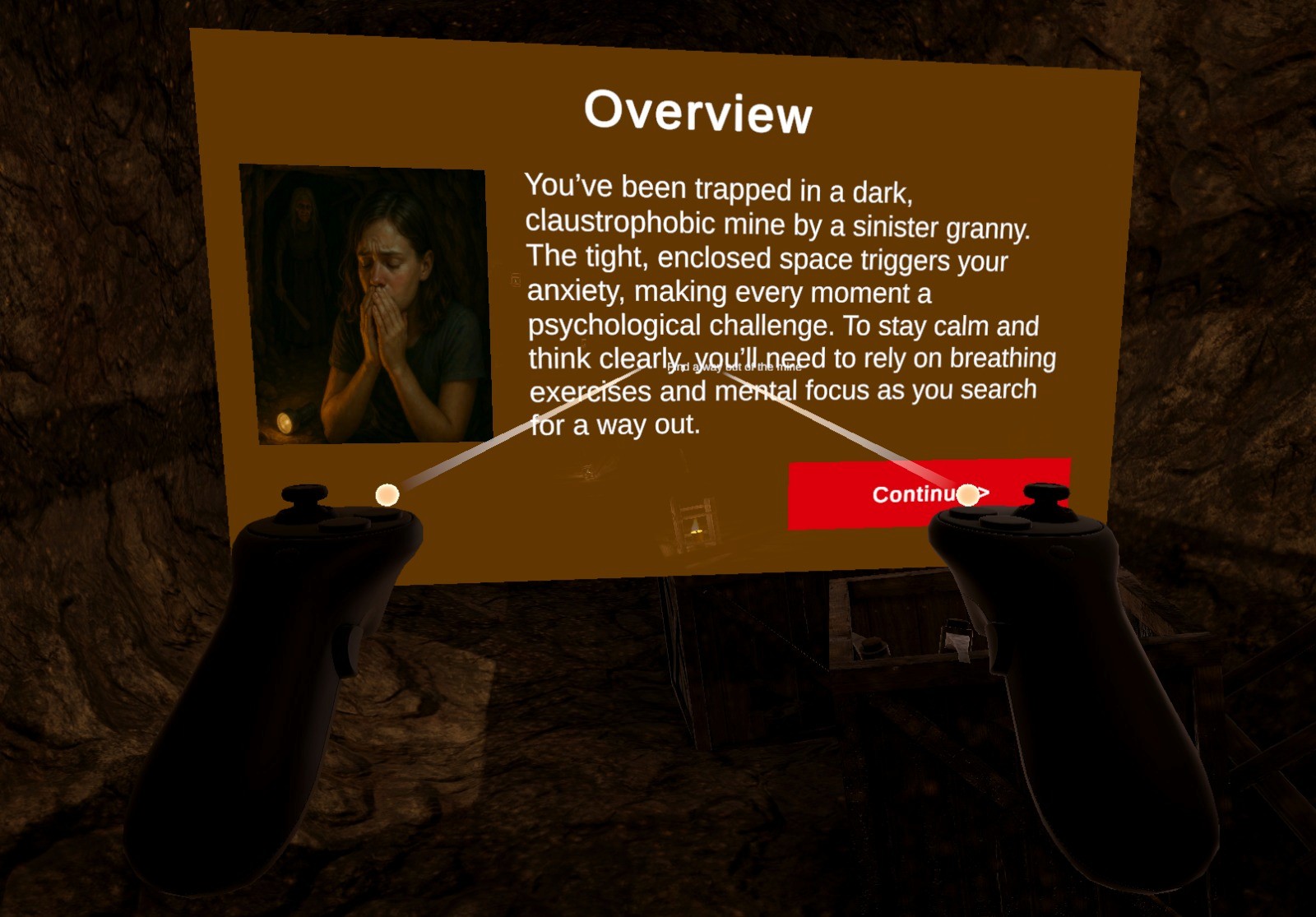
Fearless is a VR-based psychological experience designed to study the impact of immersive storytelling on phobia management. By blending phobia triggers with narrative-driven gameplay, the project explores how interaction design and emotional cues can guide users through discomfort in a safe virtual environment. Drawing on research in cognitive psychology and fear conditioning, Fearless challenges players to navigate haunting settings, uncover emotional clues, and practice regulated breathing as a coping mechanism.
Research question
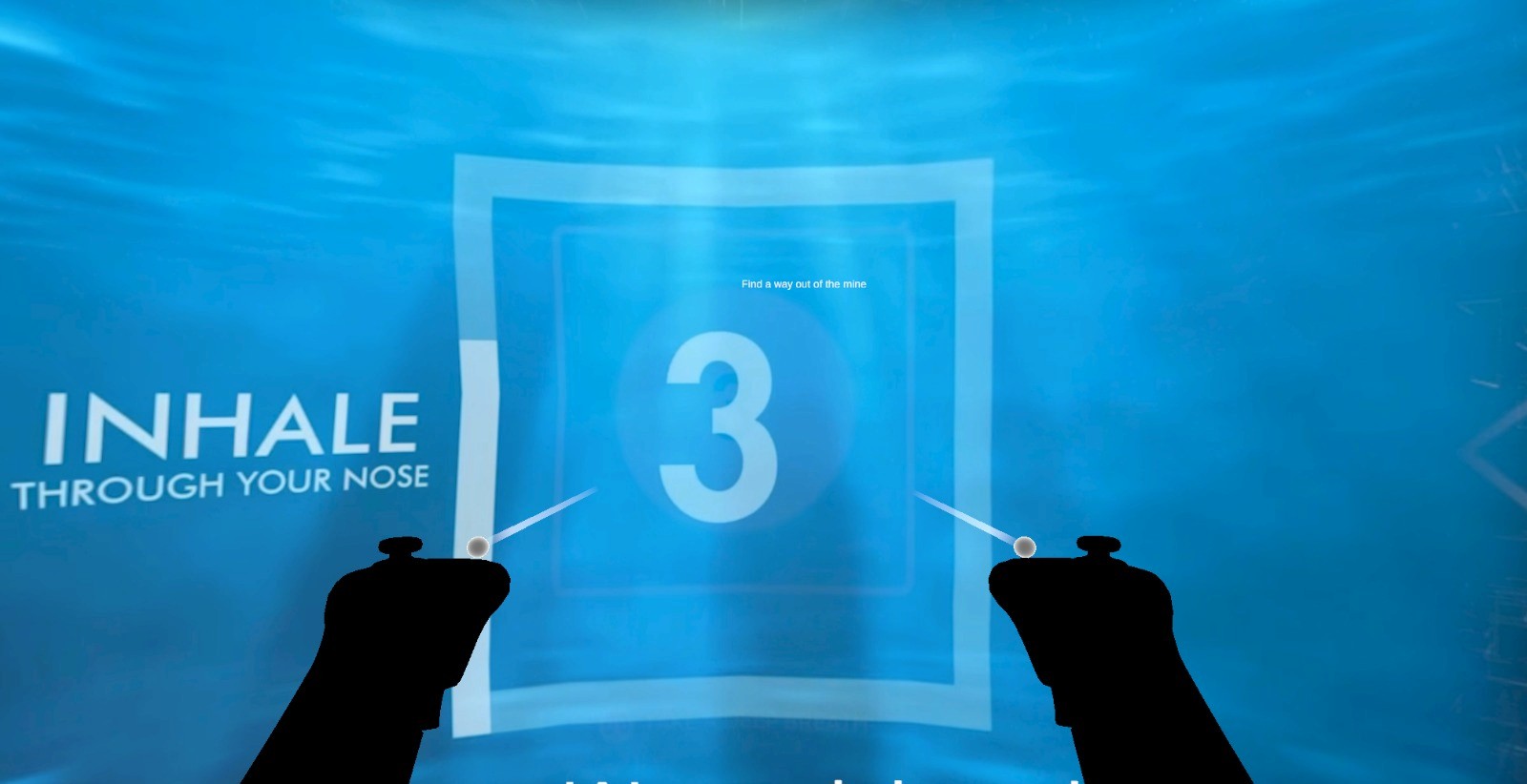
How do players experience a box breathing technique through first-person VR gameplay?
This research explores the integration of a regulated breathing technique—box breathing—within a first-person VR environment. The goal was to investigate how guided breathing, when paired with immersive storytelling and environmental stressors (e.g., darkness, confined spaces), could help players manage in-game anxiety. By placing players in emotionally intense scenarios and prompting them to perform box breathing at key narrative moments, the study aimed to observe both behavioral engagement and emotional regulation. This approach bridges therapeutic methods with gameplay mechanics, offering insights into how XR can support mental resilience through experiential design.
Conclusion
Participants found the experience immersive, but true emotional impact emerged only when breathing mechanics aligned seamlessly with the narrative.
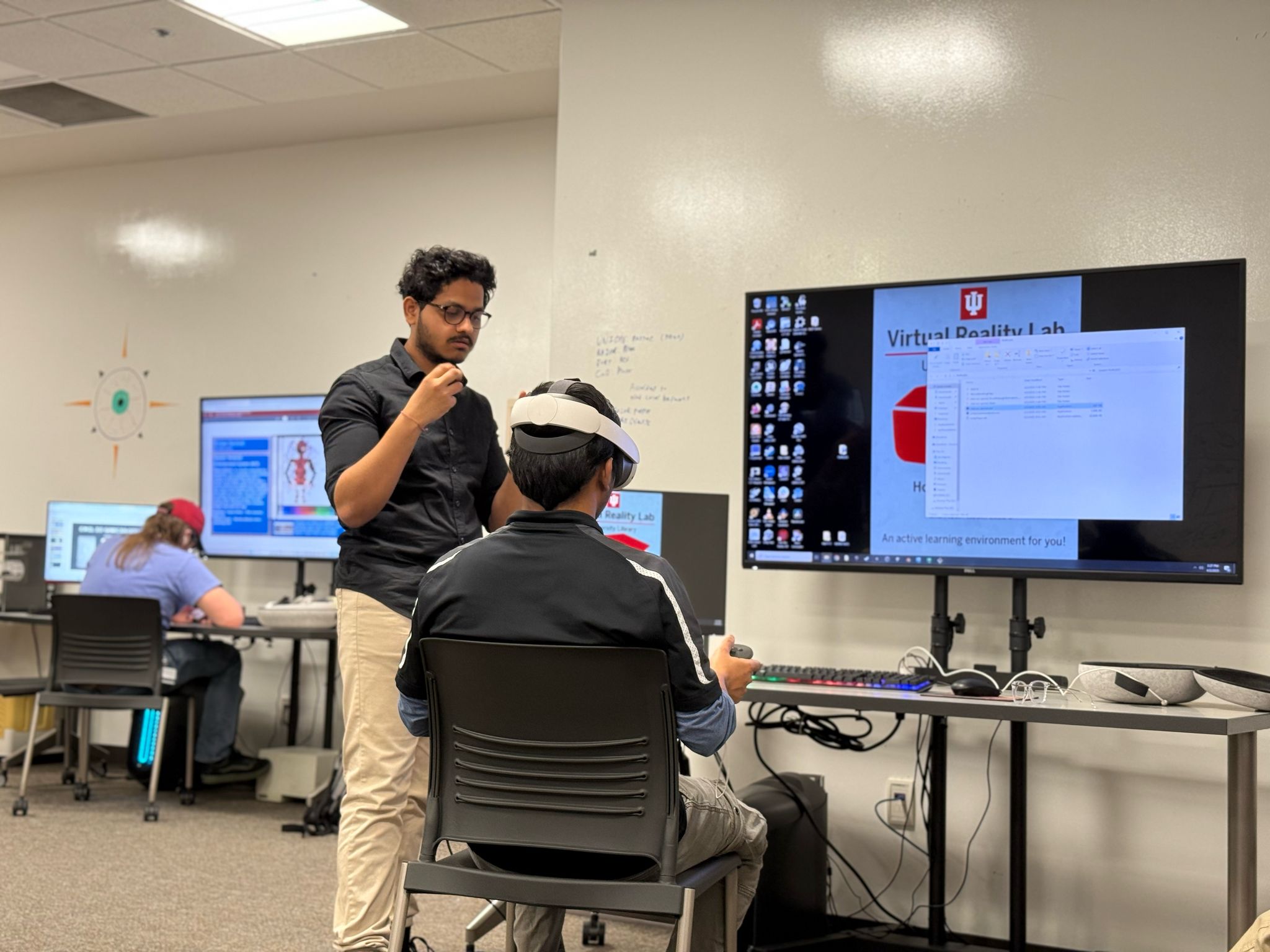
The FE4RLESS VR project demonstrated that while players could quickly learn and apply the box breathing technique within gameplay, its effectiveness depended heavily on how well it was integrated into the narrative and emotional flow. Participants praised the immersive environments and emotional tone, especially the contrast between calming and anxiety-inducing spaces. However, the breathing mechanic was often perceived as disconnected—its static audio and unclear visuals broke immersion and hindered perspective-taking.
Latest Updates
©2024

FAQ
01
What parts of the UX design process do you enjoy the most?
02
What makes you different from other UX designers?
03
What types of projects do you work best on?
04
Which project taught you the most?
05
What projects did you add the most value to?
06
Are there engaging stories behind these projects?
May 9, 2025
Fearless: Fear-Driven in XR
A research-backed exploration of how phobia-based stimuli can enhance immersion and narrative depth in VR gameplay—built around player psychology and emotional triggers.
Game Design
Ux design
XR Research
Intro
As technology blurs reality and fiction, Fearless VR explores how immersive storytelling can empower users to confront their deepest fears.
Fearless is a VR-based psychological experience designed to study the impact of immersive storytelling on phobia management. By blending phobia triggers with narrative-driven gameplay, the project explores how interaction design and emotional cues can guide users through discomfort in a safe virtual environment. Drawing on research in cognitive psychology and fear conditioning, Fearless challenges players to navigate haunting settings, uncover emotional clues, and practice regulated breathing as a coping mechanism.
Research question
How do players experience a box breathing technique through first-person VR gameplay?
This research explores the integration of a regulated breathing technique—box breathing—within a first-person VR environment. The goal was to investigate how guided breathing, when paired with immersive storytelling and environmental stressors (e.g., darkness, confined spaces), could help players manage in-game anxiety. By placing players in emotionally intense scenarios and prompting them to perform box breathing at key narrative moments, the study aimed to observe both behavioral engagement and emotional regulation. This approach bridges therapeutic methods with gameplay mechanics, offering insights into how XR can support mental resilience through experiential design.
Conclusion
Participants found the experience immersive, but true emotional impact emerged only when breathing mechanics aligned seamlessly with the narrative.
The FE4RLESS VR project demonstrated that while players could quickly learn and apply the box breathing technique within gameplay, its effectiveness depended heavily on how well it was integrated into the narrative and emotional flow. Participants praised the immersive environments and emotional tone, especially the contrast between calming and anxiety-inducing spaces. However, the breathing mechanic was often perceived as disconnected—its static audio and unclear visuals broke immersion and hindered perspective-taking.
Latest Updates
©2024
FAQ
01
What parts of the UX design process do you enjoy the most?
02
What makes you different from other UX designers?
03
What types of projects do you work best on?
04
Which project taught you the most?
05
What projects did you add the most value to?
06
Are there engaging stories behind these projects?
May 9, 2025
Fearless: Fear-Driven in XR
A research-backed exploration of how phobia-based stimuli can enhance immersion and narrative depth in VR gameplay—built around player psychology and emotional triggers.
Game Design
Ux design
XR Research
Intro
As technology blurs reality and fiction, Fearless VR explores how immersive storytelling can empower users to confront their deepest fears.
Fearless is a VR-based psychological experience designed to study the impact of immersive storytelling on phobia management. By blending phobia triggers with narrative-driven gameplay, the project explores how interaction design and emotional cues can guide users through discomfort in a safe virtual environment. Drawing on research in cognitive psychology and fear conditioning, Fearless challenges players to navigate haunting settings, uncover emotional clues, and practice regulated breathing as a coping mechanism.
Research question
How do players experience a box breathing technique through first-person VR gameplay?
This research explores the integration of a regulated breathing technique—box breathing—within a first-person VR environment. The goal was to investigate how guided breathing, when paired with immersive storytelling and environmental stressors (e.g., darkness, confined spaces), could help players manage in-game anxiety. By placing players in emotionally intense scenarios and prompting them to perform box breathing at key narrative moments, the study aimed to observe both behavioral engagement and emotional regulation. This approach bridges therapeutic methods with gameplay mechanics, offering insights into how XR can support mental resilience through experiential design.
Conclusion
Participants found the experience immersive, but true emotional impact emerged only when breathing mechanics aligned seamlessly with the narrative.
The FE4RLESS VR project demonstrated that while players could quickly learn and apply the box breathing technique within gameplay, its effectiveness depended heavily on how well it was integrated into the narrative and emotional flow. Participants praised the immersive environments and emotional tone, especially the contrast between calming and anxiety-inducing spaces. However, the breathing mechanic was often perceived as disconnected—its static audio and unclear visuals broke immersion and hindered perspective-taking.
Latest Updates
©2024
FAQ
What parts of the UX design process do you enjoy the most?
What makes you different from other UX designers?
What types of projects do you work best on?
Which project taught you the most?
What projects did you add the most value to?
Are there engaging stories behind these projects?